Skip to content Skip to footer

No-Added-Sugar Dragées by EL KAISSI

Chocolate-Coated Nuts with No Added Sugar

Chocolate-coated nuts depend on balance: the character of the nut at the center, the richness of the chocolate around it, and the sweetness that brings the two together. EL KAISSI’s no-added-sugar collection explores that balance through a different formulation, developed for people who enjoy chocolate confectionery while paying closer attention to their sugar intake.

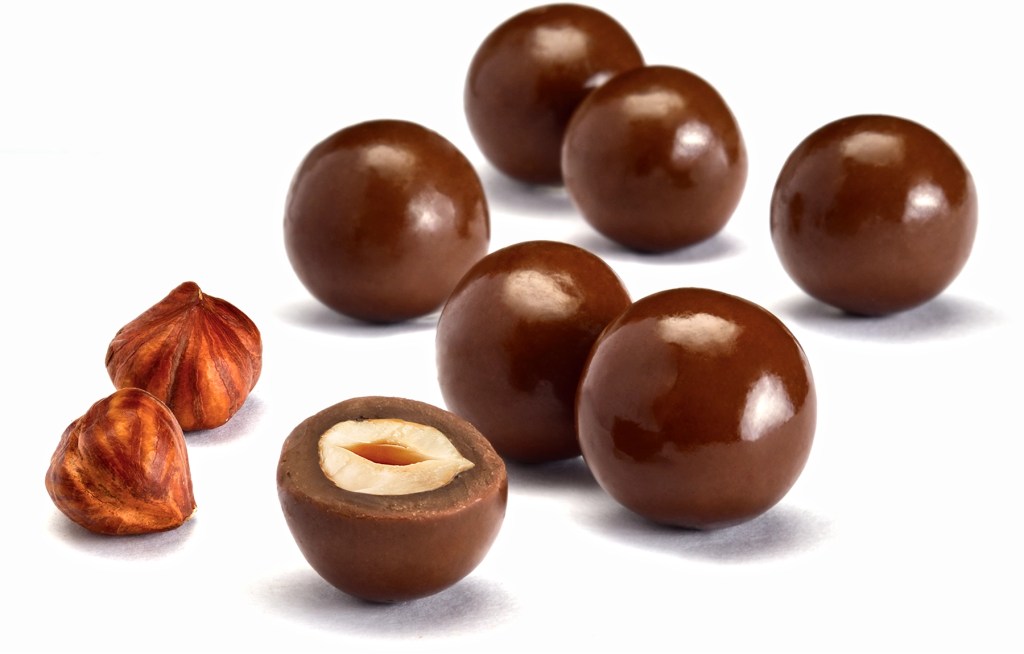
The range is built around two nut centers, almonds and hazelnuts, , each offered in dark and milk chocolate. Instead of added sugar, the chocolate formulations use a sweetening system based on maltitol, erythritol, and steviol glycosides, the sweet compounds derived from stevia.

The collection responds to a growing interest in lower-sugar choices without moving away from what defines a chocolate dragée in the first place: a carefully selected center, a well-balanced coating, and the interplay of flavor and texture between the two.

EL KAISSI no-added-sugar chocolate-coated almonds
EL KAISSI no-added-sugar chocolate-coated hazelnuts

A Different Approach to Sweetness

Reducing sugar in chocolate is not simply a matter of removing one ingredient. Sugar contributes sweetness, but it also influences body, mouthfeel, texture, and the way the finished chocolate is perceived alongside the nut at its center. A no-added-sugar formulation therefore has to find that balance differently. In EL KAISSI’s range, sweetness is achieved through a combination of maltitol, erythritol, and stevia-derived steviol glycosides rather than added sugar.
stevia plant
Steviol glycosides, derived from the stevia plant, form part of the sweetening system used in EL KAISSI's no-added-sugar chocolate formulations. Photo: "Sweet Leaf (Stevia 2)" by Mokkie, via Wikimedia Commons, CC BY-SA 3.0
The difference is particularly clear in EL KAISSI’s dark chocolate almonds. The standard formulation contains 31.1 g of sugars per 100 g, including 29 g of added sugars. The no-added-sugar version contains 1.9 g of sugars per 100 g, with 0 g of added sugars. That represents approximately 94% less total sugar in this direct comparison. For people who monitor their sugar and carbohydrate intake, including those who pay particular attention to blood glucose, the choice of sweeteners is also relevant. Maltitol and erythritol are polyols, or sugar alcohols, which generally produce a smaller rise in blood glucose than other carbohydrates.1American Diabetes Association. Diabetes Related Common TermsView source2U.S. Food and Drug Administration. Aspartame and Other Sweeteners in FoodView source This lower blood-glucose response is also recognized in an authorized health claim for qualifying foods in which sugars are replaced by specified sugar replacers, including maltitol and erythritol.3European Commission. Commission Regulation (EU) No 432/2012View source Interest in lower-sugar confectionery is increasingly visible in the market as well. Research indicates that more than 40% of consumers look for low-sugar products, while reduced-sugar, no-sugar, and no-added-sugar chocolate and candy have shown stronger growth than their traditional counterparts.4Circana. Sugar Reduction Trends in Candy and Confectionery ProductsView source

What “No Added Sugar” Means

“No added sugar” and “sugar-free” do not mean the same thing. A product made without added sugars can still contain small amounts of sugars occurring naturally in its ingredients. This is why EL KAISSI’s no-added-sugar dark chocolate almonds, for example, contain 1.9 g of sugars per 100 g even though the formulation contains 0 g of added sugars. Under European Union rules, the claim “with no added sugars” may be used when a product contains no added mono- or disaccharides and no other food used for its sweetening properties. Where sugars are naturally present, this must also be indicated accordingly.5Regulation (EC) No 1924/2006. Conditions governing the claim “with no added sugars”View source For consumers monitoring blood glucose, the complete nutrition information remains relevant as well. No added sugar does not mean carbohydrate-free, and total carbohydrate and portion size still matter alongside the sugar content.

Two Centers, Two Chocolate Profiles

The collection brings together two classic dragée centers in both dark and milk chocolate, giving retailers, distributors, hospitality businesses, corporate gifting clients, and private-label partners a concise no-added-sugar selection that can sit naturally alongside conventional chocolate-coated dragées.

For EL KAISSI, the collection extends an established part of the portfolio in a new direction: familiar chocolate-and-nut combinations, substantially less sugar, and a carefully balanced sweetness profile developed around the character of each dragée.

Related Articles